
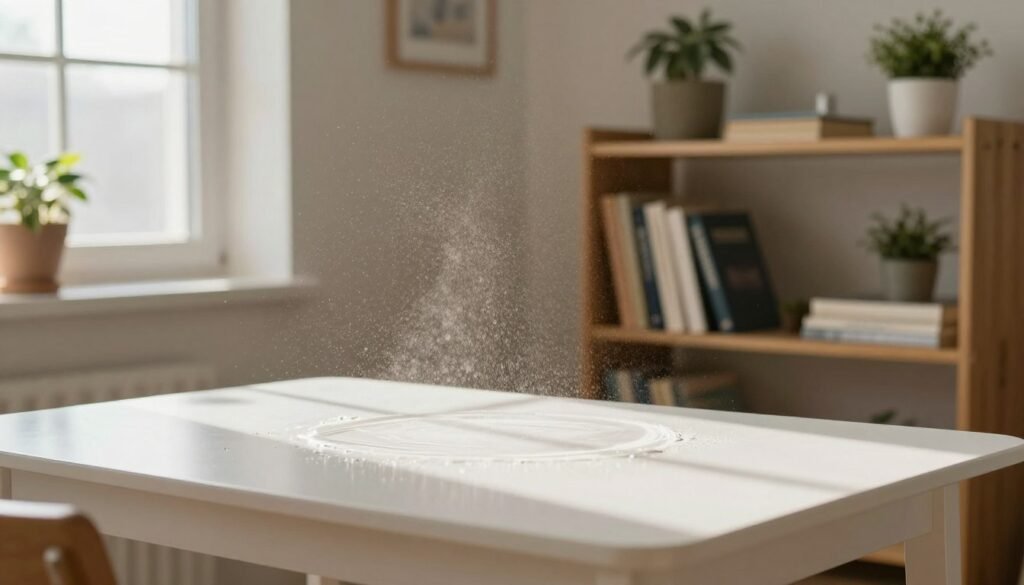
You wipe the table, then dust from the shelf above falls onto it again. This familiar annoyance is why Microfiber dusting tips start with a top-to-bottom routine: remove loose dust with a dry cloth, then vacuum the floor. The aim is to limit resettling, not promise every particle vanishes from the air.
A clean face is one unused area of a folded cloth, ready to collect dust without transferring dirt from an area already wiped. Using fresh areas and working down makes cleaning more practical, because debris falls towards places you have not finished. Choosing the right cloth, and understanding how it collects particles, makes the routine easier to carry out.
Key Takeaways
- Begin with high, dusty areas and work down.
- Use a dry cloth for loose dust.
- Turn to a clean face when the cloth gets dirty.
- Vacuum settled debris from the floor last.
- Adjust your cloth and method to the surface.
How Does Microfiber Capture Dust?
A fluffy conventional cloth can push dust around, while fine microfiber fibres can hold onto some of the material they lift. That grip makes the fabric useful for cleaning, though no cloth collects every particle.
Microfiber cloths are made from polyester and polyamide, a type of nylon. The blend combines fine fibres with a large surface area, helping lift and hold dirt and grime. Results still depend on the cloth, the surface and how much dust is present.
Fine microfiber fibres can lift and hold loose dust, but they do not capture every particle.
What the fibres are made of
Polyester and polyamide are split into very fine strands to make the fabric. Their small size gives the cloth more surface area than a conventional cleaning cloth.
Polyester fibres are described as positively charged, while nylon fibres are described as negatively charged. This difference can help the cloth attract and lift material from a surface as you wipe.
Why the cloth holds on to particles
The fine strands make close contact with a surface and offer more places for loose material to cling. As you move the cloth, it can lift dust and hold some of it within the fabric, rather than simply pushing it ahead.
This can help with everyday dust, dirt and light grime, but it is not a guarantee against every particle or bacteria. A cloth that is already loaded can leave debris behind. Its material explains why choosing a suitable cloth and moving to fresh faces matter.
Which Microfiber Cloth Should You Choose and How Should You Prepare It?
A cloth that leaves lint on a polished table may be dirty, worn or unsuitable for that job. Choose for the surface, then prepare the cloth so you can use a fresh area as dust collects.
Quality and weave both matter, but no one cloth suits every task. Bargain microfiber may have around 50,000 fibres per square inch and last about 50 washes. A quality cloth may have 3.1 million fibres per square inch and last about 300 washes.
Match cloth quality and weave to the task
Those figures describe possible differences, not a promise that every product will match them. Check the cloth’s label and feel. Terry, waffle and suede weaves each suit different tasks, so consider the surface and the finish you need.
Colour-coded cleaning cloths can help keep areas separate where cross-contamination matters. For example, use green for kitchen surfaces, red for bathrooms and blue for glass and mirrors. Follow any colour system already used in your home.
Fold the cloth to keep clean faces ready
Fold the cloth in half, then in half again, to create eight usable faces: four on each side. Work through a face at a time and refold when it collects dirt or lint.
- Choose a suitable cloth for the task.
- Fold it into quarters to make eight faces.
- Start with one clean face.
- Refold when that face collects dirt or lint.
Each clean face gives you a fresh area for wiping, rather than spreading collected dust around. With the cloth ready, use an order that keeps falling dust away from surfaces you have already cleaned.
How to Use Microfiber Dusting Tips from Top to Bottom
Start high and work down so gravity moves dust towards areas you have not cleaned yet. The top-to-bottom approach helps keep falling debris off finished surfaces.
Clean high areas before lower ones, then vacuum the floor last. Dust from shelves, frames or blinds can fall onto furniture and counters below. Working upwards risks soiling a surface you have just wiped.
Use these Microfiber dusting tips to make the top bottom sequence easy to follow. Give each area a quick check before moving on, especially where dust gathers out of sight.
- Start with high shelves, door frames or blinds.
- Move down to lower furniture.
- Wipe counters and other lower surfaces.
- Check under furniture and other neglected spots.
- Vacuum the floor last.
A vacuum picks up debris that has settled on the floor. Sweeping can send some dust back into the air, where it may settle on surfaces again.
If airborne dust is a particular concern, allergy-conscious cleaning advice recommends damp dusting and regular vacuuming. The best approach depends on the job: use a dry cloth for loose dust, then decide whether a damp cloth suits any follow-up cleaning.
Should You Dust with a Dry or Damp Cloth?
Use a dry cloth first for loose dust, then dampen it for suitable follow-up cleaning. Keep dust dry at first, since wetting it can make a paste that smears across the surface.
Dry microfiber is the first choice for loose dust; use a damp cloth only when the surface and task allow it. Water alone works for many cleaning jobs, but not every surface or type of grime.
| Task | Cloth condition | Use |
|---|---|---|
| Loose dust | Dry | Collect dust before any damp wiping |
| General hard-surface cleaning | Damp | Wipe after the loose dust is removed |
| Final glass or stainless-steel polish | Dry | Remove remaining marks after the surface has been wiped |
A dry cloth helps lift loose dust without turning it into a smear. If you use dry first, you can see whether further cleaning is needed rather than spreading dust with water.
Dampen the cloth for suitable hard-surface cleaning after the loose material is gone. Wring it out so it is damp, not dripping, and avoid adding chemicals unless the task calls for them.
Water is not right for every material, and some grime needs a suitable cleaning product. Delicate or easily marked surfaces need a more careful choice of cloth and method.
How Do You Dust Glass, Stainless Steel and Delicate Surfaces?
Dust on a television screen calls for a gentle dry wipe; fingerprints on stainless steel may need a damp wipe followed by drying. Match the finish to the cloth and the way you clean it.
For delicate or coated surfaces, check the manufacturer’s care instructions before using water or microfiber. A method that works on ordinary glass may not suit every screen or finish.
| Surface | Cloth | Method | Finish |
|---|---|---|---|
| Televisions and picture frames | Dry | Lift loose dust gently | Check for remaining dust |
| Windows, mirrors and glass | Dry first, then clean as needed | Work top to bottom | Polish spots with a clean, dry cloth |
| Stainless steel | Damp, then a second dry cloth | Wipe the surface | Dry it to remove smudges |
| Delicate or coated surfaces | Clean, soft cloth | Follow the item’s care instructions | Stop if the cloth leaves marks |
Glass and windows
Remove loose dust first, then clean windows, mirrors and other glass from top to bottom. Use a clean, dry microfiber towel to polish remaining spots after wiping.
Stainless steel and delicate finishes
Wipe stainless steel with a damp microfiber cloth, then dry it with a second cloth. This helps remove smudges without leaving the surface wet.
Abrasive tools can scratch stainless steel, so avoid scrubbing with anything rough. On a delicate or coated surface, follow the item’s care instructions instead of assuming water or microfiber is safe.
For a television or picture frame, use a clean, soft, dry cloth to lift loose dust gently. Keeping cloths clean and effective between uses also helps prevent dust or marks being left behind.
How Should You Wash and Reuse Microfiber Cloths?
A microfiber cloth that leaves lint on a clean table may have collected too much dust, or need rinsing. Do not keep wiping with the same dirty area when it starts leaving marks.
Rinse used cloths for 10-15 seconds with warm to hot water, or follow the care label. This helps remove collected material before it clogs the fabric or transfers dirt to another surface.
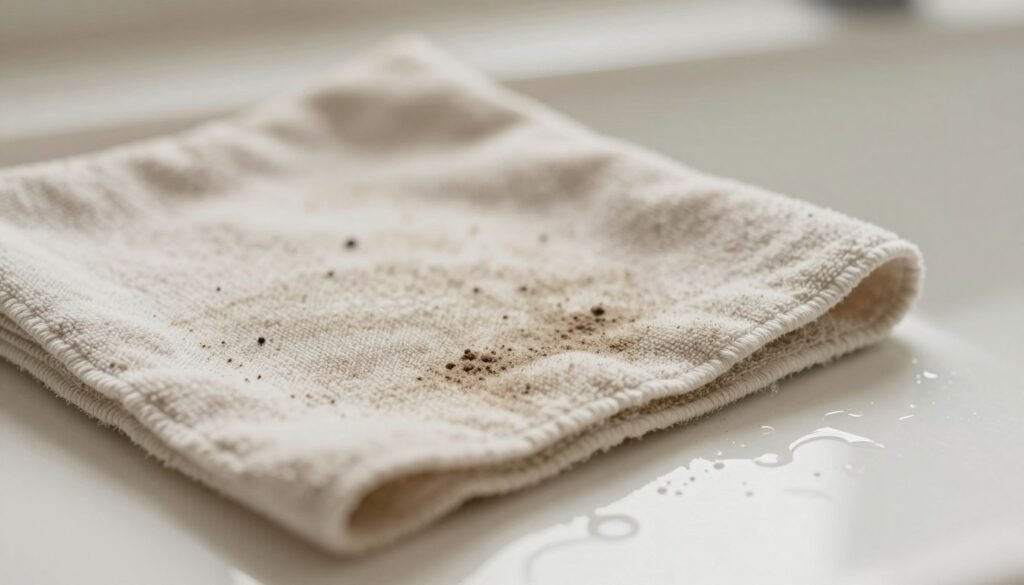
When a cloth leaves dirt or lint behind, switch to a clean face, rinse it or wash it.
Rinse and launder cloths without clogging the fibres
After use, rinse the cloth under warm to hot water for 10-15 seconds, unless its care label gives different instructions. A quick rinse can clear loose dust before the cloth goes into the wash.
Microfiber cleaning cloths used daily can be machine-washed weekly. Avoid bleach, which can damage the fibres, and fabric softener, which can clog them and make the cloth less effective.
Check the care label for drying instructions as well as washing guidance. Following the label helps you care for the fabric without guessing what heat or method it can tolerate.
Know when a cloth needs a deeper clean or replacement
If a cloth smells unpleasant or no longer cleans well, check its care label before trying a deeper clean. One option is boiling it in water with one-fourth cup of baking soda for 10-15 minutes, but only if its instructions allow this.
Dirt or lint left behind is a cue to switch to a fresh face, rinse or wash the cloth. It is not a reason to keep wiping with a loaded patch. A clean microfiber cloth is ready for the next room and a high-to-low cleaning session.
Conclusion
Dusting works best when you leave the cleanest surfaces until after the higher ones. Start with a dry cloth for loose dust, work down to the floor, and vacuum settled debris at the end.
Use a fresh cloth face when the one in your hand collects dirt or lint. That small change helps keep dust from travelling back across a surface you have just cleaned.
For your next cleaning session, choose one room, gather a clean microfiber cloth and vacuum, then begin with the highest dusty area. Try the routine in that room and adjust your cloth choice to the surfaces there.