
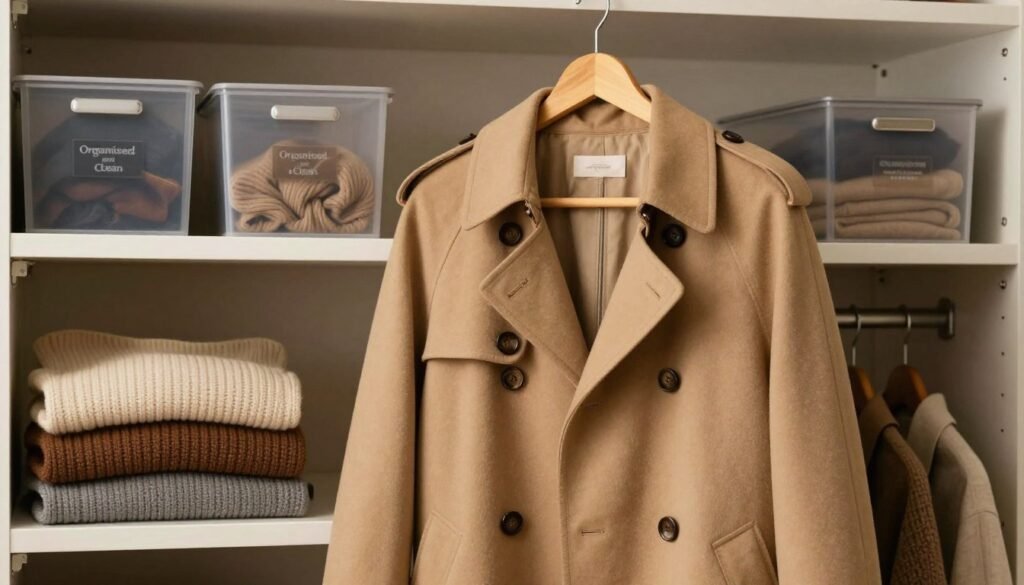
Wardrobe care tips matter when a thick coat or jumper is about to leave regular use. A seasonal wardrobe rotation is a planned changeover in which you prepare clothes from one season for storage and bring the next season’s clothes into regular use.
Repeated wear can lead to wear and tear, fading or changes in shape, so a little preparation can make clothes easier to use again. Start with clean, fully dry garments, then store each item in a way that suits its condition and shape. That care cannot keep every item in use indefinitely, but it can help clothes last longer.
Allow enough time to sort what you wear, check the items you are putting away, clean them according to their care label and dry them fully. Thoughtful storage helps protect their shape and quality until the weather changes. First decide which clothes should stay in regular use and which are ready to prepare for storage.
Key Takeaways
- Sort clothes by season and current use before cleaning.
- Check each care label before washing or drying.
- Treat marks and make sure garments are fully dry before packing.
- Choose a storage method that suits each item’s shape and fabric.
- Inspect stored clothes before wearing them again.
Which Clothes Should You Put Away for the Season?
Put away a thick winter jumper when mild weather means you are no longer wearing it, but keep lighter clothes that still suit the day’s temperature. Current use is a better guide than the calendar alone. Keep genuinely out-of-season items separate from clothes you still reach for.
Clothes can wear out, fade or change shape after repeated use, so consider condition as well as the season. Set aside items that need repair, and decide separately what you no longer want. Do not pack those pieces by default. Children’s clothes can be outgrown before they show much wear, so check fit rather than relying on appearance.
Store clothes because they no longer suit the season, not because they have disappeared from view. Keep anything you still wear within easy reach.
A favourite item worn throughout the year should stay accessible, even if it is also a seasonal favourite. For practical wardrobe maintenance, keep current clothing easy to reach and move out-of-season pieces elsewhere. A system for organising your wardrobe around everyday use can help you find clothes without crowding the space.
Choose what belongs in storage now, rather than treating every garment in a seasonal category alike. Once you have separated the keep, repair and no-longer-wanted piles, check the condition of each item you plan to store.
How to Inspect and Sort Clothes Before Washing
A loose button found before washing is easier to deal with than one lost inside the machine. Inspect each garment first, checking its construction and visible damage before deciding how to clean it. Set repairable items aside for mending instead of sending them straight into the wash.
Check seams, fastenings and visible damage
Look along seams for gaps or loose stitching. Tight seams and secure buttons can be signs of better construction, while loose threads, snags and loose buttons deserve attention. Check zips and other fastenings for damage or anything that could catch on another garment.
Make a small repair pile for clothes with a loose button, a seam that needs stitching or a snag you can address. A garment with a damaged fastening may need extra care during cleaning. Finding the problem now gives you the chance to mend it before storage, rather than returning to it later.
Separate items by colour and care needs
Group garments by colour, then separate items with different fabric or care needs. Keep delicate items apart from sturdier laundry, and check the care label before choosing which group they belong in. This helps you avoid mixing clothes that need different treatment.
Use this quick checklist before washing:
- Inspect seams for gaps or loose stitching.
- Check buttons, zips and other fastenings.
- Identify visible stains that need attention.
- Separate items by colour and care label.
Good sorting starts with a careful look, not a guess based on the garment’s age or quality. Once the clothes are checked and grouped, read the care directions that govern how each item should be cleaned.
What Do Care Labels Mean for Different Fabrics?
If a general washing tip suggests a machine cycle but the garment’s care label says otherwise, follow the label. The label takes priority because it gives that garment’s laundering instructions. Use the care label and fabric together to choose a cleaning method.
Use the care label to choose a cleaning method
Check the label before washing, even when you recognise the fabric. Construction and finishing can affect how an item responds to water, detergent and handling. General care instructions can help you understand the material, but they do not replace the directions attached to the garment.
| Fabric | Useful property | Care consideration | Caution |
|---|---|---|---|
| Wool | Breathable and somewhat water-repellent | Air wool clothing not worn directly against skin if it is not soiled | Wash when soiled, following the care label |
| Viscose | Absorbs moisture | Treat as a natural material for care purposes | Loses 50% of strength when wet; do not soak or wring |
| Polyester | Dries quickly | Usually needs little or no ironing | Silk imitations and other delicate constructions need gentle washing |
Treat wool, viscose and polyester according to their properties
Wool clothing not worn directly against your skin can often be aired instead of washed, unless it is soiled. That can be useful for a wool layer worn over another garment. For viscose, remember that washing can cause it to shrink by a few centimetres. Avoid soaking or wringing it, and follow its label closely.
Polyester often dries quickly and needs little or no ironing, but a delicate silk imitation still needs gentle washing. Gentle detergents and low temperatures can help preserve colours in natural materials. Use these fabric and label decisions to choose the actual wash routine.
Which Wardrobe Care Tips Help Clothes Last Longer in Storage?
A garment’s care label should decide the wash method, with cold water a useful general choice for many items. Start with the label, then select a suitable detergent and temperature. Cold water can help prevent fading and shrinking in many fabrics, but it is not right for every wash.
Choose the wash temperature and detergent carefully
Sort clothes by colour and follow the care label before starting the washing machine. Turn washer-safe dark clothes inside out to help protect their visible surface. Choose laundry detergent suited to the item, rather than assuming one product works equally well for every fabric.
| Water temperature | Appropriate use | Potential benefit | Caution |
|---|---|---|---|
| Cold | Many fabrics when the care label allows | Can help prevent colour fading and shrinking | Follow the care label for the garment |
| Lukewarm | Delicate hand-washing when the label allows | Allows gentle washing with mild detergent | Do not soak viscose |
| Hot | Deeply soiled items or specific fabrics such as cotton | Can suit some heavily soiled laundry | Use only when the care label allows |
Temperature depends on the fabric, the level of soiling and the care label. Hot water can be useful for deeply soiled items or specific fabrics such as cotton, but do not choose it just because an item is going into storage.
Use a gentle method for delicate or special-use items
A delicate machine cycle uses less agitation than a regular cycle. For delicate items that can be hand-washed, swirl them in cool water with gentle detergent over the course of an hour. Gently squeeze out excess water, then dry the garment on a rack.
Rinse or soak swimwear in water after use. Saltwater and chlorine break down fibres and elastic, so do not leave a swimsuit un-rinsed until laundry day. For clothes going away, use this short sequence:
- Check the care label.
- Sort by colour and fabric.
- Select the appropriate temperature and detergent.
- Choose the suitable machine or hand-wash method.
These wardrobe care tips help you limit avoidable damage while cleaning clothes, but they do not replace item-specific directions. Once washing is done, treat any stains that still need attention before a garment goes away.
How Should You Treat Stains Before Seasonal Storage?
You may notice a small mark on a sleeve while sorting clothes for storage. For garments that can safely be cleaned with water, press the stain with a cold-water cloth and a drop of dish detergent. Press rather than rub, as rubbing can damage fabric. Check first that water is suitable for the garment.
Blot general stains without rubbing
If possible, place a clean cloth beneath the stain to catch moisture and loosened dirt. Use another clean cloth dampened with cold water, add a drop of dish detergent, then gently press the mark. Avoid scrubbing, which can strain the fibres or spread the stain across the garment.
Keep the pressure light and check the fabric as you work. If the mark does not lift, do not use more force. Follow the care instructions for the garment, and move on to its normal wash method after treatment.
Adjust the approach for blood, ink, mud, tomato sauce and coffee
Blood and ink can be re-wetted with ice-cold water, then lightly tapped with cleaning detergent. For mud, loosen the dirt in lukewarm water before applying detergent for half an hour. Lift tomato sauce off the surface first, then apply detergent and rinse with cold water from the underside of the fabric.
For coffee, flush the mark with cold water and treat it with a mild cleaning solution. After any of these approaches, wash the garment using its normal care-label method. Take these four steps when you spot a mark:
- Check whether water is suitable for the garment.
- Place a clean cloth beneath the mark if possible.
- Dab or press the stain rather than rubbing it.
- Wash according to the care label after treatment.
Stains need attention before a garment is packed, but so does moisture left by washing or spot treatment. Once the marks have been treated, complete and gentle drying helps prepare clothes for storage.
How Can You Dry Clothes Without Damaging Them?
A drying rack is the gentlest option when the care label allows it. Air-drying avoids dryer heat, which can scorch clothes and cause shrinking, fading and pilling. Follow the care label and use a lower dryer temperature when machine-drying is suitable.
Choose air-drying or a lower dryer setting
Lay or hang a garment on a rack as the label allows, or use a dryer with a lower-temperature setting. Some machines let you adjust temperature, timing and dryness. Choose those controls carefully, since a setting that suits one garment may not suit another.
| Drying method | Setting or action | Main consideration | Useful situation |
|---|---|---|---|
| Drying rack | Air-dry according to the care label | Avoids dryer heat | When the label permits air-drying |
| Lower-temperature dryer setting | Select a lower heat level | Heat can scorch, shrink, fade or pill clothes | When machine-drying is allowed |
| Shorter dryer timer, then rack | Remove clothes about 15 minutes earlier than usual | Finish drying on a rack | When temperature settings are unavailable |
If you cannot set a lower temperature, removing clothes about 15 minutes earlier than usual and finishing them on a rack is another option. It avoids leaving garments in the dryer for the full usual cycle. Follow the label even when your machine offers several drying choices.
Finish drying before putting items away
Before storage, check that the garment is fully dry, including thicker seams and areas that may hold moisture. A surface that feels dry does not always mean the whole item is ready to pack. Give each piece the time it needs to dry, rather than relying on a fixed schedule.
Dry clothes gently to help protect their shape and quality. Once you have confirmed each garment is dry, choose a storage method that suits its shape.
Should You Fold, Hang or Bag Seasonal Clothes?
Fold a heavy wool jumper on a shelf rather than hanging it. Weight matters: a heavy knit can stretch on a hanger, while a suitable hanger can help a shaped garment keep its form. Match the storage method to the garment, not just the space available.
Match the storage method to the garment
Wire and plastic hangers can stretch garment shoulders. Shaped wood hangers or hangers with plush arms can help garments keep their shape. A breathable garment bag protects delicate items from dust and snags while allowing airflow around the clothing.
| Storage method | Suitable items | Benefit | Limitation |
|---|---|---|---|
| Folded shelf | Heavy sweaters and wool jumpers | Reduces stretching from hanging | Needs shelf space |
| Shaped wood or plush-armed hanger | Garments that need shoulder support | Helps clothes keep their shape | Uses hanging space |
| Breathable garment bag | Delicate items | Protects from dust and snags while allowing airflow | Needs room to hang without crushing |
Choose a breathable garment bag for a delicate piece that could catch on nearby clothing. Keep heavy sweaters folded instead of letting their weight pull at the shoulders. The right way to store clothes depends on the garment and the available space.
Leave space for clothes to hang or stack without crushing
Close zips and other fastenings before hanging or packing garments, so they are less likely to snag neighbouring items. Leave enough space for clothes to hang or stack without pressing them tightly together. Crowding can cause wrinkling and fading, and makes items harder to see when you return to them.
A tidy wardrobe is useful only if clothes can rest without being squeezed into place. Once you have chosen how to protect each garment physically, consider ways to keep stored clothes fresh and deter moths.
How Can You Keep Stored Clothes Fresh and Deter Moths?
You can help deter moths through the storage area without applying products directly to clothes. Keep deterrents separate from fabric, even when they smell pleasant. Cedar wood should not touch clothing directly.
Cedar can help keep fabrics fresh and deter bugs when placed in the storage area, but do not set cedar wood against a garment. Dried lavender is another option to place nearby. A natural scent does not prove a product is suitable for direct contact with clothing.
Mothballs are not suitable around people or pets. They have a strong smell and are toxic, so choose a different approach for a family wardrobe. Keep their risks in mind rather than relying on a familiar product simply because it has traditionally been used for storage.
For odours in a wardrobe, baking soda or fabric sprays designed to neutralise odours can be options for refreshing the space. Use products as directed and keep them off garments unless their instructions say they are suitable for fabric. This helps you avoid assuming that a pleasant smell makes direct application safe.
Choose any freshening method with both the clothing and the people who use the space in mind. Once stored clothes are protected, turn to the checks and refresh steps that help you bring them back into use.
What Should You Check When Bringing Clothes Back Into Rotation?
When you take out a seasonal coat or jumper, check it before its first wear. Storage does not guarantee that a garment will stay pristine. Inspect for visible marks, loose fastenings and any need for a fresh clean before wearing it.
Inspect stored items before wearing them
Look over the fabric in good light and check that buttons, zips and other fastenings remain secure. Assess whether the item needs cleaning before you put it on. A garment that was clean when stored may still need attention after time in the wardrobe.
Use this check before returning an item to regular use:
- Inspect the garment for visible marks or damage.
- Check buttons, zips and other fastenings.
- Assess whether it needs cleaning before wearing.
- Choose label-appropriate wrinkle removal.
Smooth creases with the right level of heat
Follow the care label and match iron heat to the fabric. Excessive heat can burn or yellow fabric, and delicate fabrics can be ruined by too much heat. A steamer uses moisture and heat to release wrinkles while a garment hangs, which can be useful when the label allows it.
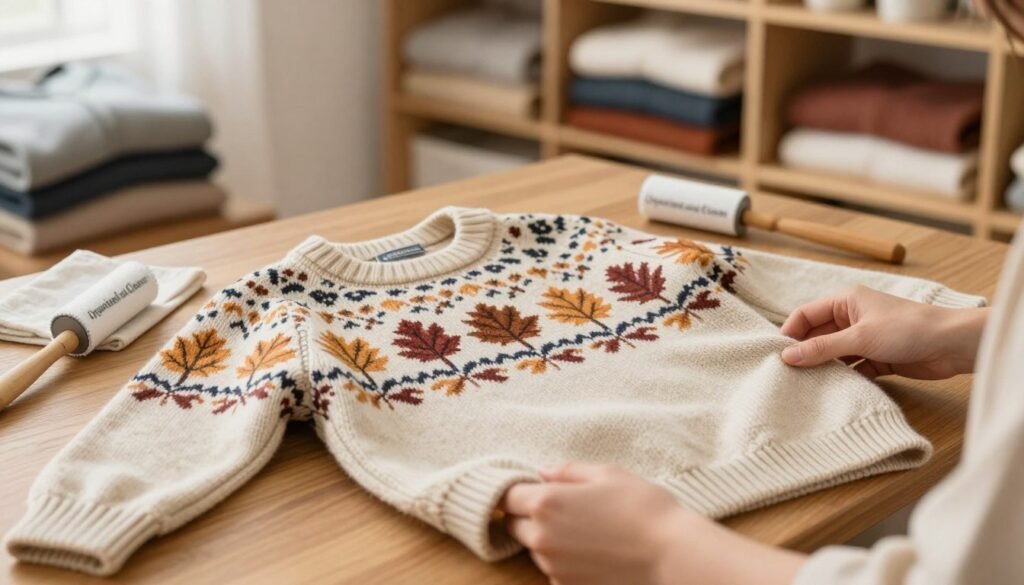
Viscose may shrink by a few centimetres during washing. Most shrinkage can be reversed by ironing or wearing the item, but do not use more heat than its care label allows. Let the garment’s condition and wear history shape your next rotation.
How Can a Simple Rotation Routine Reduce Wear?
A visible, first-in-first-out arrangement can make rotation easier. Move clothes as you do laundry: place freshly laundered items at the back and bring existing pieces forward. Spreading use across your wardrobe can reduce wear and tear from repeatedly wearing the same favourites.
Put freshly laundered items behind clothes already in use
After laundry, put clean clothing behind items already in regular use. Bring those existing items forward so they are easy to see and pick. This small habit makes it less likely that a newly washed favourite will stay at the front while other clothes go unworn.
Keep the arrangement simple enough to maintain in your usual wardrobe. Grouping clothes by category or colour can make them easier to find, while keeping current-season items accessible avoids crowding the space. A practical wardrobe organisation system shaped around your routine can help you keep the rotation visible.
Keep favourite pieces from carrying the whole season
Alternate favourite pieces rather than wearing the same one whenever it is clean. For example, put one jumper aside for a wear while another takes its place, then bring the first back later. That gives both items a turn and spreads use across your clothing.
Bring older items forward and put clean clothes behind them. A visible rotation can help you wear more of your wardrobe instead of relying on one favourite.
Rotation can reduce repeated wear on favourites, but it cannot prevent normal wear. Notice which clothes need more frequent care and which stay in regular use. A small repeatable habit keeps the next seasonal changeover manageable.
Conclusion
Effective seasonal storage depends on preparing each garment for its own needs. Let the care label and the item’s condition guide each decision, from cleaning to drying and storage. Careful handling can help clothes last longer, though no routine can prevent every change from use and time.
Start with one seasonal group rather than trying to reorganise everything at once. Separate clothes you still wear from those ready to put away, then set aside anything that needs cleaning or repair. Choose one group of out-of-season clothes and check each item before packing.